
Contact Us
Our team is ready to support you with timely, thoughtful service. Fill out the form and we’ll get back to you as soon as possible
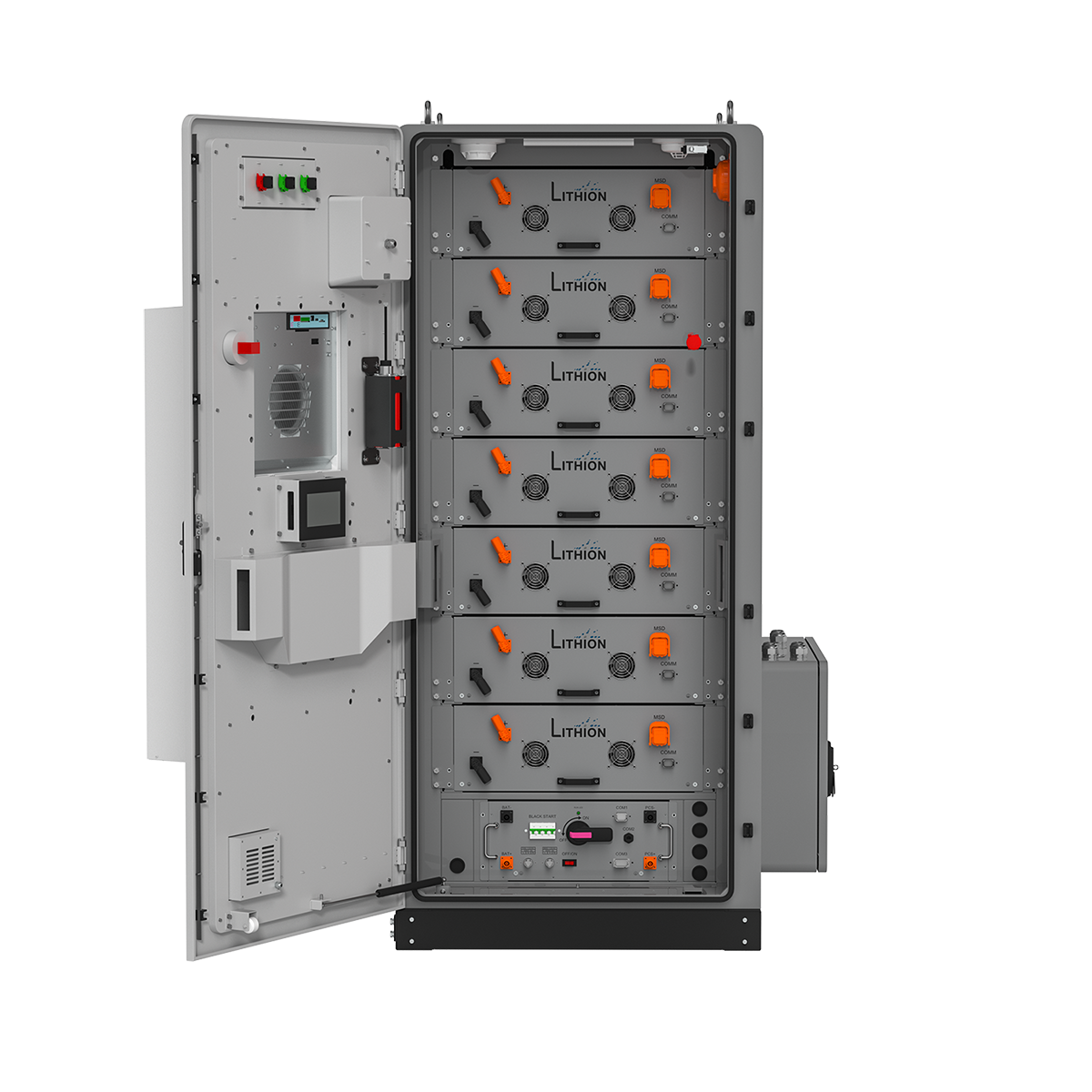

A battery energy storage system (BESS) provides a way for organizations to store electricity and make it available on demand. Combining rechargeable batteries with electronics and controls that manage and monitor performance, the system is designed with flexibility in mind. It can receive energy from the electrical grid or a compatible on-site power generation source.
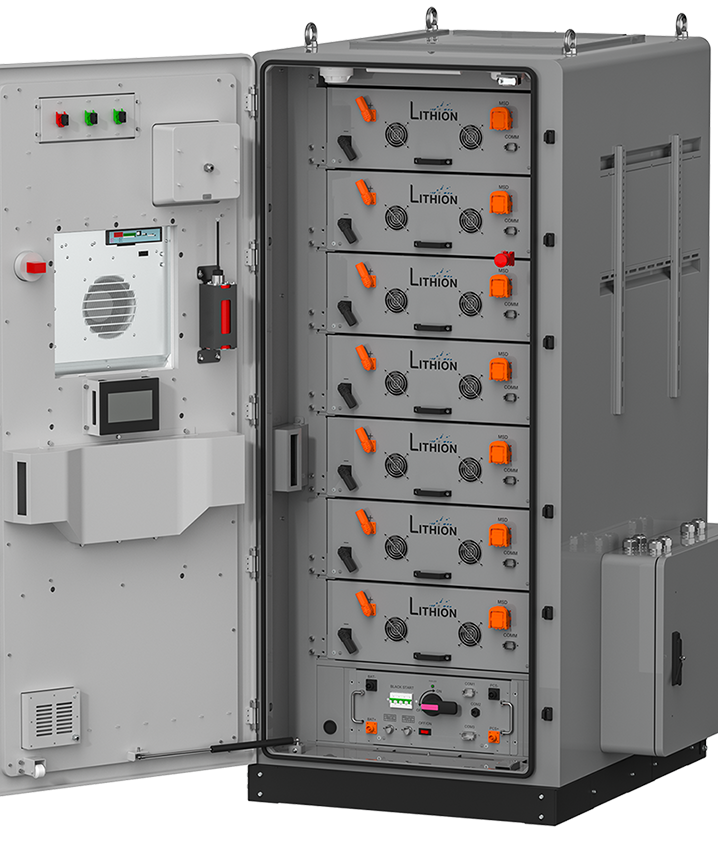
An energy storage system stores electrical energy in rechargeable cells and releases it when required, but those cells are just one element of a complete battery system. Lithion also engineers the components and controls needed to create reliable solutions, including:
The BMS monitors essential parameters such as voltage, current, and temperature, helping maintain safe, consistent operation.
Precise configurations depend on each application, but factors such as required voltage, storage capacity, available installation space, charging requirements, and operating conditions may all influence the most suitable design. BESS sizing and system optimization should also consider the facility’s energy profile, expected demand, and connection to the grid.
Where required, a BESS can be designed to work with photovoltaic solar arrays, wind generation, or another compatible energy source. The way the system receives, stores, and releases energy will depend on the application and its relationship with the grid.
Lithion supports customers throughout the battery development process, from initial feasibility studies and detailed planning through to prototyping, validation, and production. This helps organizations understand technical requirements early and reduce the complexity of integration as each project progresses.
Our manufacturing and engineering capabilities are supported by local teams in the United States and Europe, enabling us to work across global markets and combine battery manufacturing with engineering and integration support throughout the development process.
Have a question about your grid project that isn’t covered here? Our team is ready to help.
A BESS stores electrical energy in rechargeable cells so it can be used whenever required. Complete systems may incorporate battery cells and modules, as well as electrical components, controls, and a BMS.
The system can receive energy from the grid or another compatible source and release it according to the operating requirements of the connected equipment, building, or facility.
There are multiple applications for energy storage across industrial, commercial, and specialist environments where organizations need access to electricity at different times.
Depending on the specific requirements, the system might support operational resilience, provide a backup power source, help manage changing demand, or enable organizations to move toward electrification. The optimal configuration will depend on the application, operating environment, and technical challenges involved.
A BMS monitors some of the most important elements within a battery system, including voltage, current, and temperature. This information is essential for reliable operation and can help identify concerns that require attention.
Lithion offers access to proprietary BMS technology that can be customized around specific customer and application requirements, with systems available across a broad range of voltages.
Yes. We design tailored lithium-ion systems around individual application requirements, with engineering teams that work with customers throughout the full product lifecycle, from feasibility discussions and design through to integration and production.
This ensures our clients can develop energy storage solutions tailored to their equipment, operating environment, and grid connection without defaulting to a standardized configuration.