
Contact Us
Our team is ready to support you with timely, thoughtful service. Fill out the form and we’ll get back to you as soon as possible
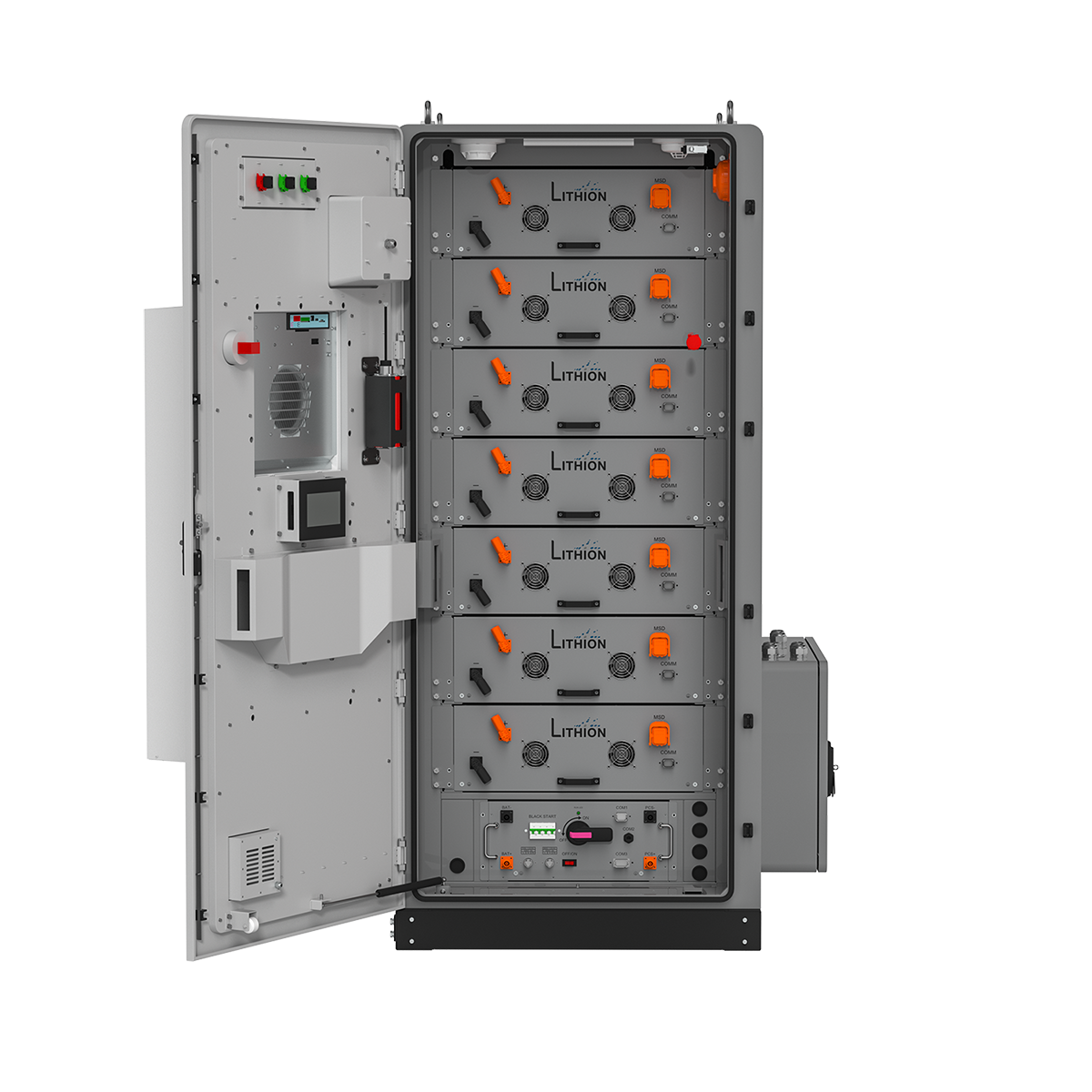

A commercial battery energy storage system gives businesses and organizations an efficient way to store electricity, ensuring it is deployable on demand. For those looking to improve energy resilience, manage changes to their power requirements, or progress through electrification projects, commercial battery storage is a flexible solution tailored to each site’s operations.
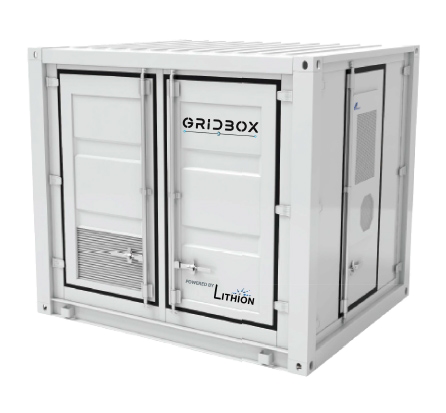
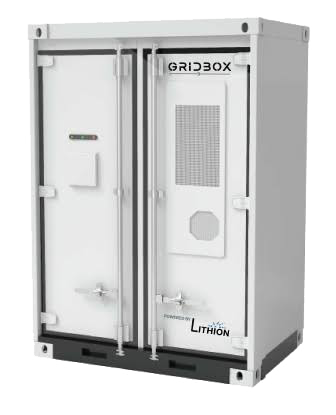
Lithion develops advanced lithium-ion battery energy storage systems for many of the most demanding commercial and industrial environments, combining our custom engineering capabilities with tried-and-tested battery technologies.
Our approach is based on understanding the specifics of each project in terms of power, capacity, integration, safety, and energy management. We use those insights to develop commercial energy storage solutions that are ideal for their intended applications and can integrate with the utility supply, solar generation, or other renewable energy sources.
Commercial facilities might have very different energy needs based on:
The type of operations being carried out
The available infrastructure
The equipment being run
The presence of solar or other on-site power generation
Battery systems therefore need to provide the right combination of power and energy capacity, integrate effectively with other electronics, and be developed around specific requirements rather than generalized specifications.
This ensures that all relevant factors, including the necessary voltage, energy capacity, space constraints, charging, inverter requirements, and expected usage, are built into the storage system from the design stage onward.
For sites using solar, the BESS can be configured to store excess solar power for later use and coordinate stored energy with the utility supply. Solar integration requirements, including inverter and power conversion system (PCS) compatibility, should be considered during BESS design. Whether the system supports solar generation or another renewable source, the final configuration should reflect the needs of the facility and its equipment.
Have a question about your site that isn’t covered here? Our team is ready to help.
Commercial battery energy storage systems store electrical energy in rechargeable, durable batteries to ensure it is available as and when required.
While the right configuration will depend on the application, lithium-ion battery technology is suited to both commercial and industrial settings. A BESS often incorporates a Battery Management System (BMS) to monitor operating parameters and support reliable, safe performance.
Commercial battery backup systems ensure businesses can store and access energy as required, which provides advantages such as:
Having energy capacity available can help organizations strengthen energy resilience, adapt to changing operational requirements, and support continuity for equipment and applications.
Definitely. Lithion offers complete customization, developing bespoke storage systems that are engineered around the specific requirements of a commercial or industrial application rather than relying on standard configurations.
We consult closely with each client to pinpoint their needs, supporting battery system development from initial feasibility studies and design through to prototyping, validation, and production to ensure the finished system is fully adapted. However, we can also recommend off-the-shelf, proven systems when organizations prefer a ready-made, faster-to-deploy alternative and this approach is appropriate.
The right commercial energy storage solution depends on the intended application and its technical requirements. Factors such as power demands, energy capacity, available installation space, operating conditions, charging requirements, inverter compatibility, utility connections, and integration with existing equipment should all be considered.
Working through these requirements at the design stage is the best way to help ensure the resulting system is appropriately configured for the environment in which it will operate.