
Home Battery Backup: Keeping Your Home Powered During an Outage

Home battery backup systems store electricity that can be used when a main power supply is interrupted. They can keep essential appliances running and provide greater energy resilience during incidents such as power outages.

Depending on the system’s capacity, power output, and configuration, battery storage can either support specific household circuits or be designed as whole-home backup. Knowing what those differences mean is key to selecting the right solution for a property, especially where homeowners are comparing ways to maintain access to essential electrical services during sudden interruptions.

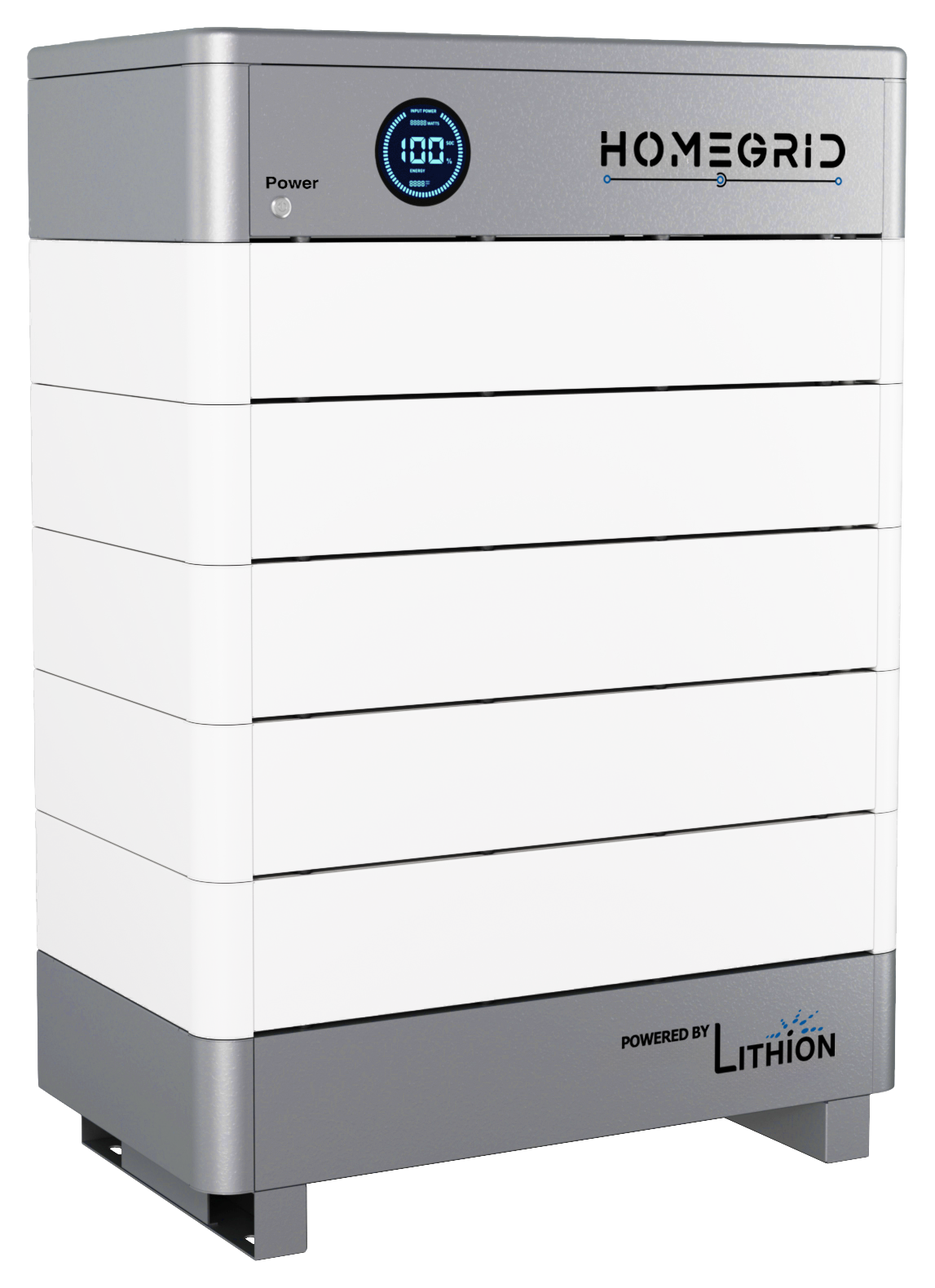
HomeGrid home battery backup system installed in an open garage
Stored energy
Capacity sets how long backup lasts
Power output
Output sets what can run at once
Backup scope
Essential-load or whole-home backup
Recharging
Utility, solar, or a backup generator
The basics

What Is Home Battery Backup?

Home battery backup systems use rechargeable batteries that store electricity that can then be used if the grid is unavailable. Each system normally includes a battery, an inverter or alternative power conversion equipment, and controls that manage how power is stored and supplied.

In terms of charging, batteries might be charged using electricity from the grid, an on-site power generation source such as solar panels, or a combination of the two. When the grid supply is interrupted, these backup systems can also disconnect from the grid and provide power for the designated household circuits.

However, the electricity available will depend on how much energy the battery can store and how much power it can deliver. This is where the capacity and output of the battery are just as essential when designing or choosing a home battery backup, and when deciding which appliances or systems it will support.

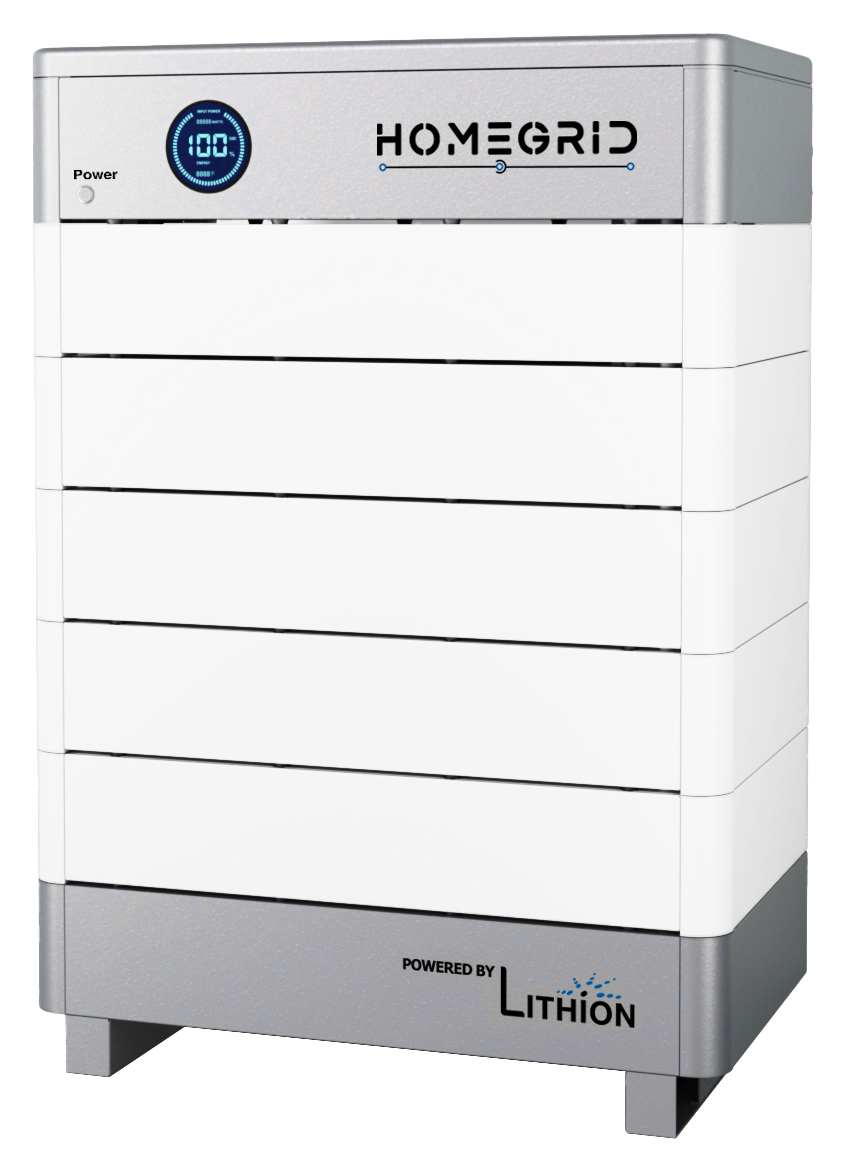
HomeGrid Stack’d Series modular battery for home backup power
During an outage

How Do Home Batteries Work During a Power Outage?

Backup systems are designed to provide electricity when needed, but it’s a little more complex than installing a pre-charged battery. This is because the system needs to have controls that can isolate the property from the grid and supply the intended loads safely.

These processes can be managed through automatic transfers or other switching equipment, with a typical sequence working as follows:

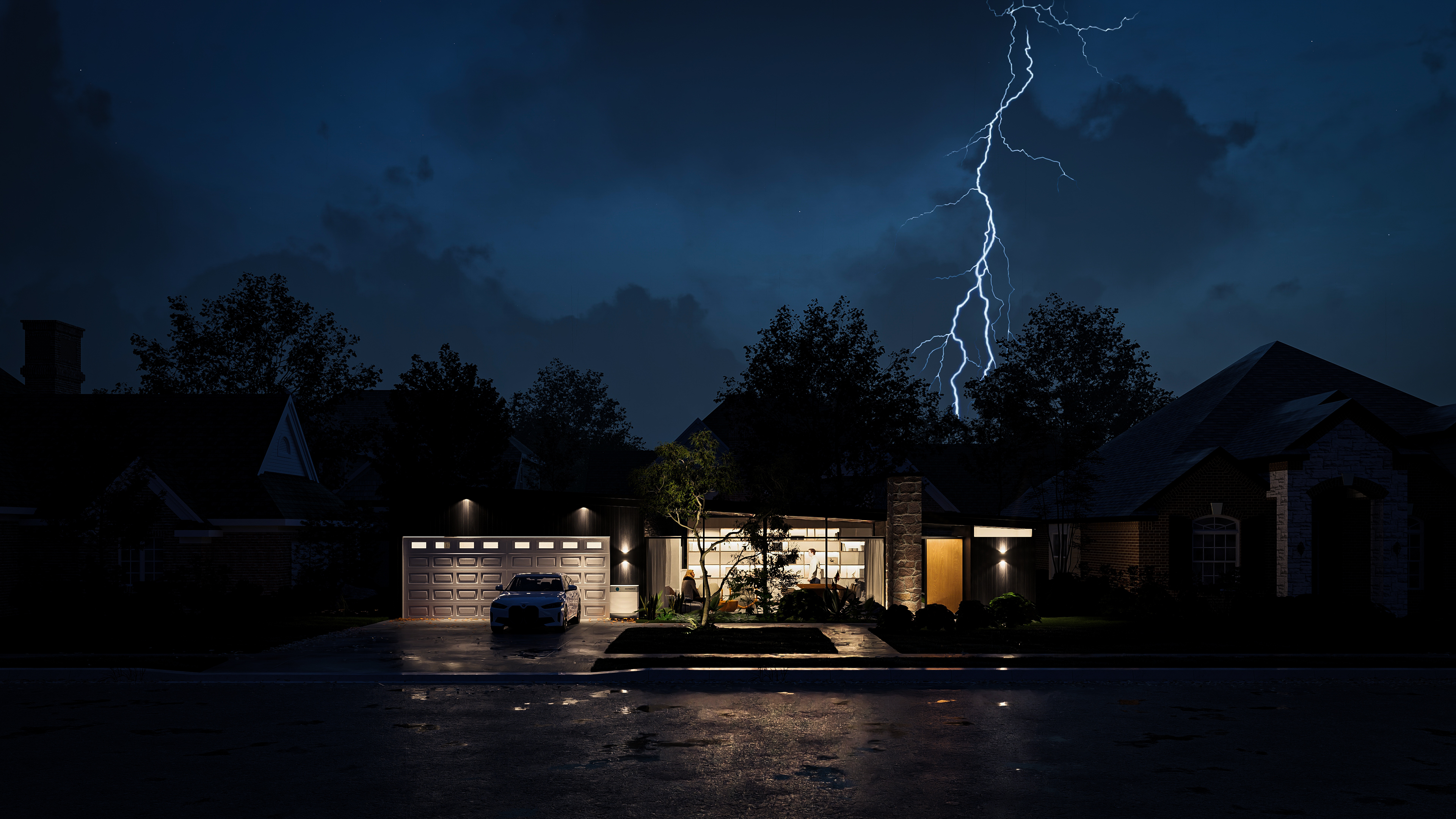
Family at home during a storm while a home battery keeps the lights on
  1. 01
    Charging

    The battery stores electricity generated from the available source, often the grid or a solar panel.

  2. 02
    Monitoring

    The system oversees electricity supply and battery operating conditions.

  3. 03
    Switching

    If a power outage occurs, the backup isolates the relevant circuits from the grid.

  4. 04
    Discharging

    The battery supplies power to the connected loads either until the grid power returns or the battery’s stored energy is depleted.

If a household has solar panels, they might be able to continue recharging the battery during an outage, but this depends on whether solar and battery systems have been designed to operate in backup mode.

Backup options

What’s the Difference Between Essential-Load and Whole-Home Backup?

Home battery systems won’t always power an entire home. The level of backup available depends on the capability of the battery, the electrical installation, and the property’s energy requirements.

Essential-load backup supplies selected circuits, often lighting, refrigeration, and communications, while whole-home backup can power more circuits, potentially larger appliances and heating and cooling equipment. Here’s a summary of the primary differences to be aware of:

Backup Type
Typical Configuration
Consideration
Essential-load backup
Powers selected circuits and priority appliances
Provides energy only for the most important requirements
Whole-home backup
Covers more of the property’s electrical circuits
Requires a detailed assessment of total demand

Importantly, whole-home backup doesn’t automatically mean every appliance can operate simultaneously and unrestricted, if high-power equipment is putting significant strain on a battery.

Sizing

How Do You Choose the Right Home Battery Capacity?

We’d suggest looking at energy capacity and power output when comparing different home batteries, because:

  • Battery capacity in kWh tells you how much energy a battery can store, and therefore how long it can supply appliances, depending on the electricity they consume.
  • Power output in kW indicates how much power the battery can deliver at a point in time, as some appliances need considerably more power when starting up than they would otherwise.

It’s important to consider a range of factors, including the appliances that need to remain in operation, how long the property might need to run without grid electricity, and whether the battery could power several high-demand appliances at once. Homeowners may also want to think about how the battery will recharge, and the practicalities of installation, having enough space, appropriate electrical infrastructure, and ventilation or environmental protection.

Rooftop solar panels at sunset that can recharge a home battery backup system
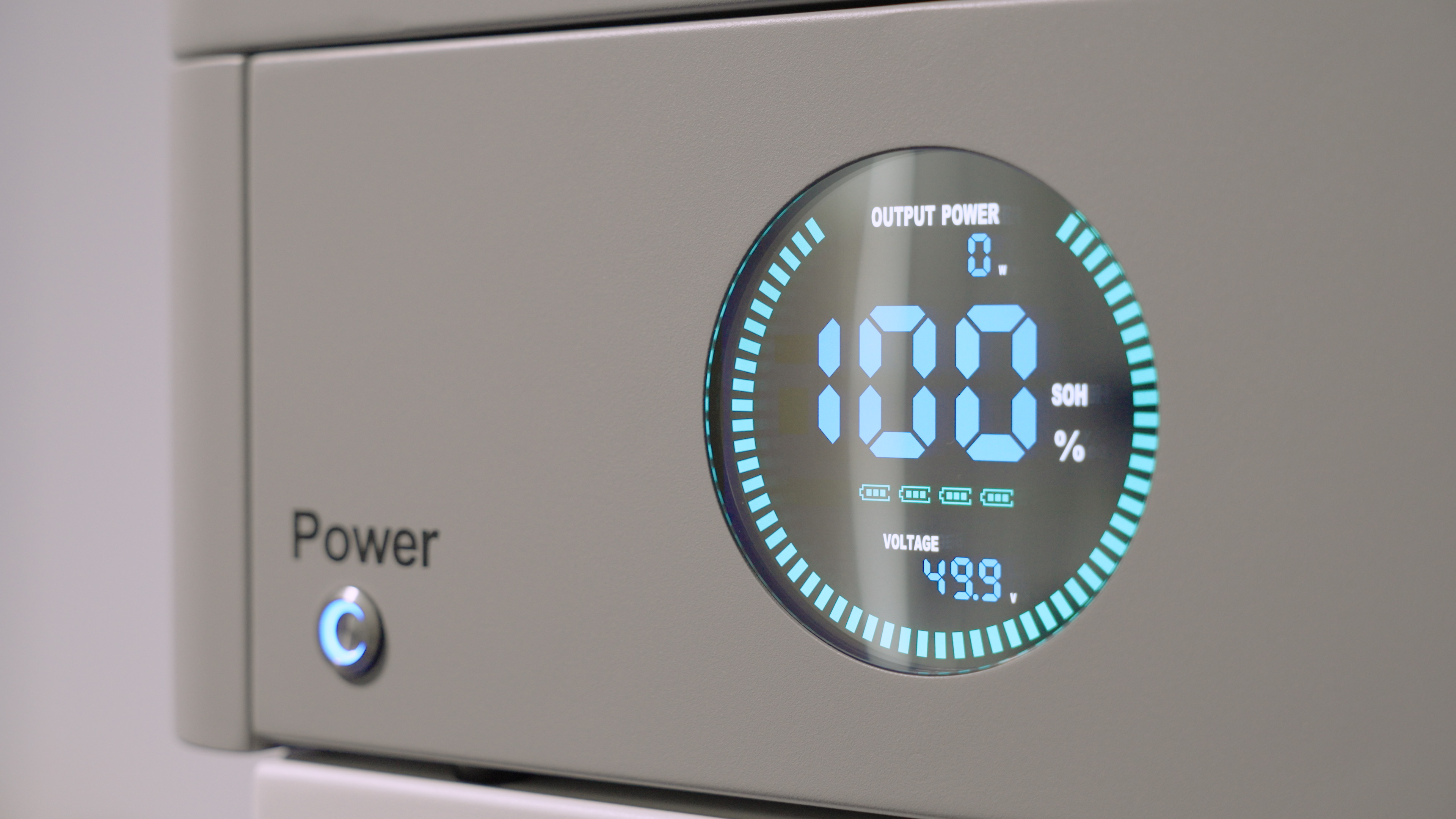
Stack’d Series battery management system screen showing battery status
Inside the battery

Why Are Battery Chemistry and System Design Important?

Battery chemistry impacts several aspects of performance, including operating temperature ranges, cycle life, charging options, and energy density. Examples include lithium iron phosphate (LFP), nickel manganese cobalt (NMC), and lithium titanate (LTO) batteries.

LFP
Lithium iron phosphate

Valued for thermal stability and long cycle life.

NMC
Nickel manganese cobalt

Higher energy density in a compact footprint.

LTO
Lithium titanate

Fast charging and a wide temperature range.

Each of these battery types might be used in different applications, depending on how well the characteristics of the battery meet the system’s needs. Likewise, battery management is essential, because a Battery Management System (BMS) can monitor relevant parameters and help keep the system operating within its threshold limits.

HomeGrid by Lithion

How Lithion Supports Home Battery Backup

Lithion provides access to residential energy storage systems through our HomeGrid range that are designed to help households manage their electricity use and maintain access to power during outages. The range includes several options which might suit properties of different sizes and with varying backup requirements:

  • HomeGrid Stack’d Series modular home battery backup system

    Stack’d Series

    The Stack’d Series is a modular battery system with scalable capacity for partial or whole-home backup, with the option to add storage modules as requirements change.

    Explore the Stack’d Series →
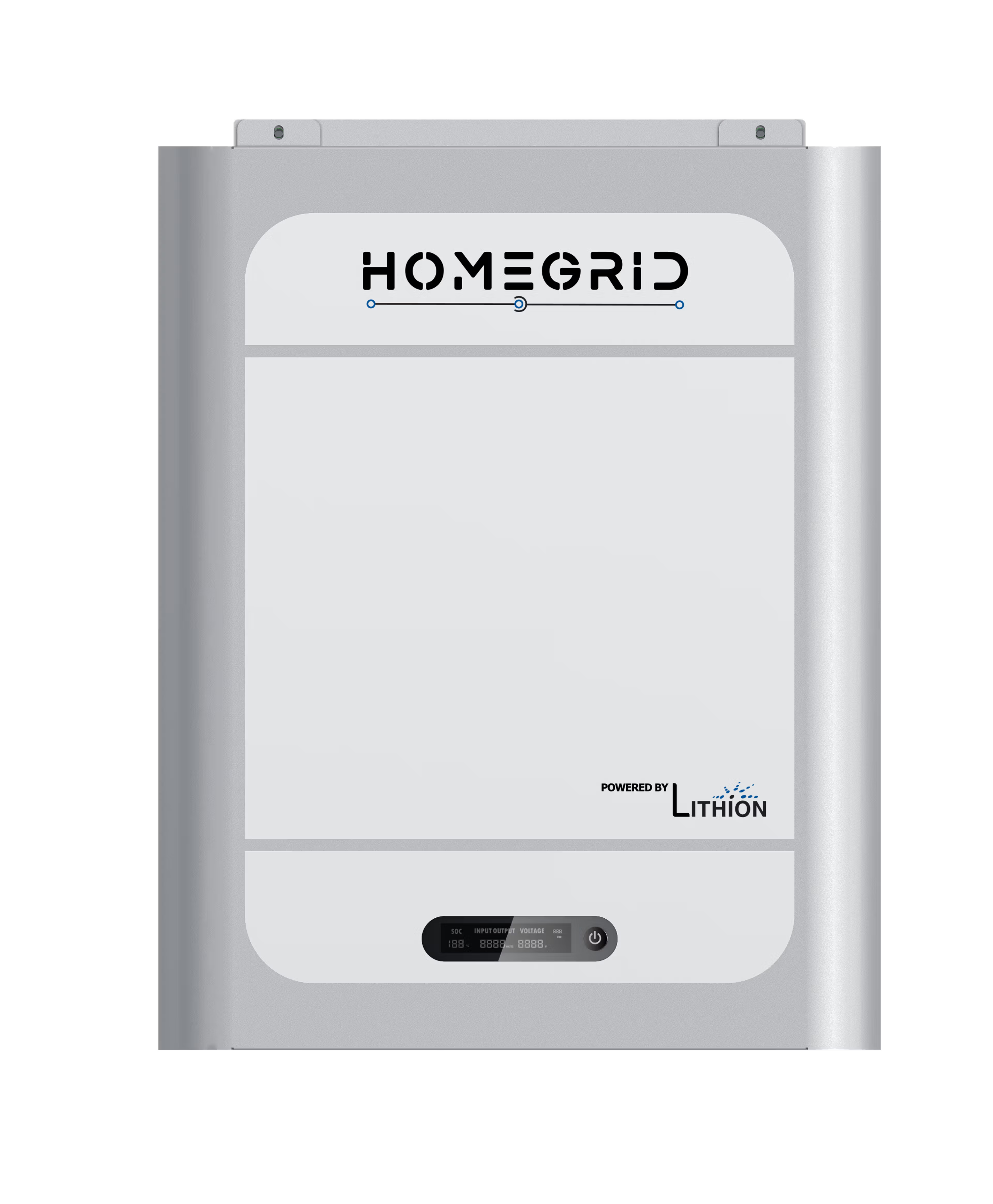
  • HomeGrid Compact Series wall-mounted home battery

    Compact Series

    The Compact Series is a slimline, wall-mounted option designed for smaller off-grid applications and properties with limited installation space.

    Explore the Compact Series →
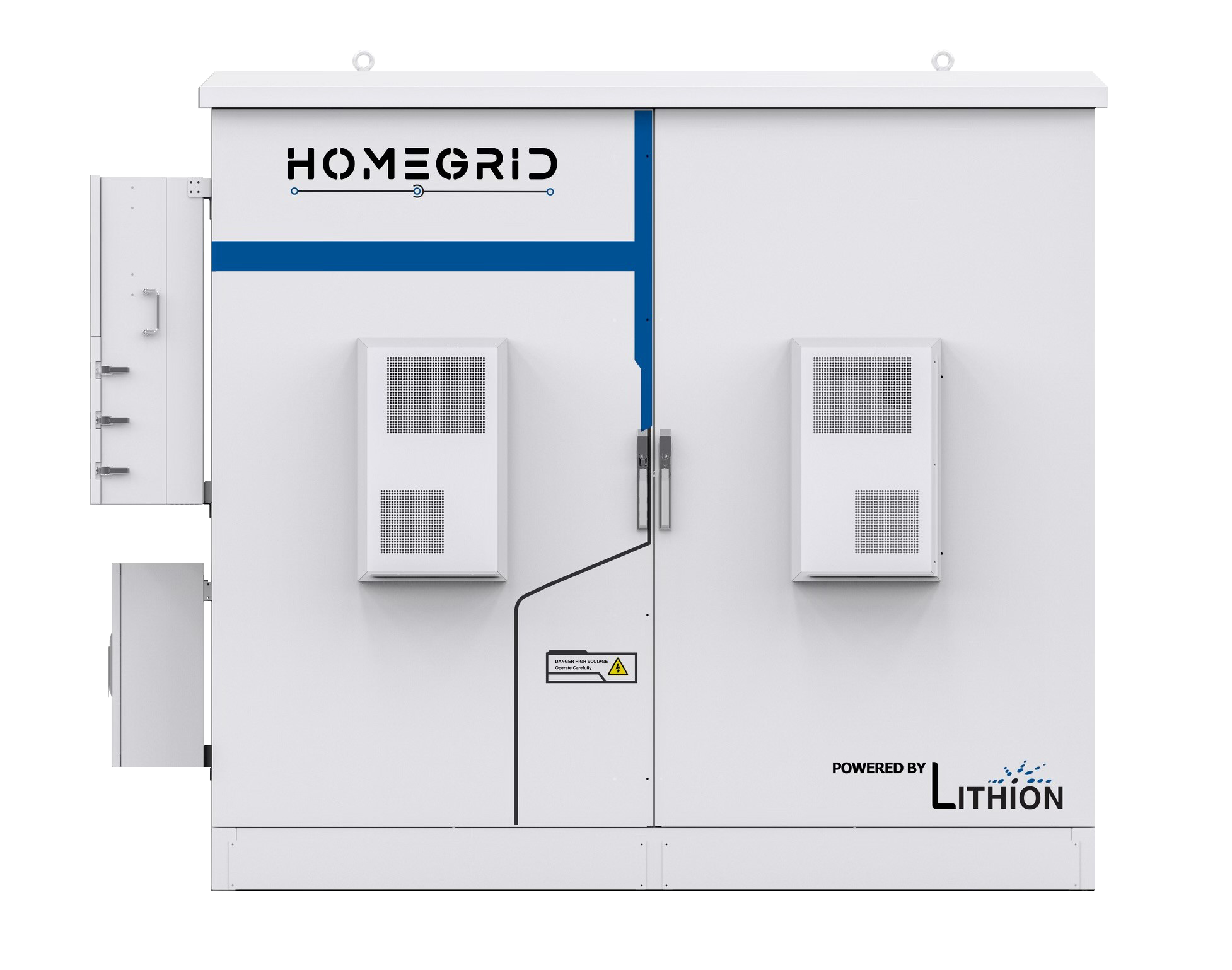
  • HomeGrid HG Cube all-in-one battery and inverter enclosure

    HG Cube

    The HG Cube is a solution created for larger residential and smaller commercial projects, combining battery storage and inverter technology in a weatherproof, temperature-controlled enclosure.

    Explore the HG Cube →

While choosing the right configuration depends on the electricity consumption of each household, the appliances that need to remain in operation, the anticipated duration of power backup, and installation space, these options offer a range of solutions. Homeowners can find further information about home battery backup through the network of HomeGrid installers and distributors across North America.

Ready to Plan Your Home Backup?

Talk to a certified HomeGrid installer about the right battery capacity, power output, and backup configuration for your home.

Residential Solutions

With the HomeGrid Cube we’ve paired the power of our Stack’d Series battery and Sol-Ark inverters into a single weatherproof and temperature controlled enclosure. Best suited for large residential and small commercial projects, the HG Cube can supply the needs of any site.

Commercial Solutions

With the HomeGrid Cube we’ve paired the power of our Stack’d Series battery and Sol-Ark inverters into a single weatherproof and temperature controlled enclosure. Best suited for large residential and small commercial projects, the HG Cube can supply the needs of any site.

Contact Us

support@lithionbattery.com

U.S. Support‍
1 (855) 753-3505
6 AM - 4 PM (Pacific Time) Monday - Friday

EMEA Support
44 (0) 2896 946384
9 AM - 5PM (UK Time) Monday - Friday
Thank you! Your submission has been received!
Oops! Something went wrong while submitting the form.