

Electric power take-off systems (ePTOs) are replacing diesel-driven hydraulics across industries to cut emissions, lower noise, and improve efficiency. From utility bucket trucks to concrete mixers, operators need battery power that can handle heavy-duty auxillary functions without idling.
Our batteries provide the runtime, safety, and charging performance needed to keep equipment running all day while helping fleets meet environmental and operational goals.


Between our automated pack manufacturing in Nevada and our European engineering and support teams, Lithion Solutions partners with OEMs around the world to electrify their equipment.
With over 20 years of experience designing and building lithium battery systems, we deliver both custom packs built to exact specifications and proven standard designs ready for fast, reliable deployment.
ePTO battery systems run auxiliary equipment using electric power, giving operators an alternative to diesel-powered mechanical or hydraulic functions that might be used for lifting, pumping, compacting, or operating other equipment.
Switching to an ePTO system means changing to a lithium-ion battery that works with an electric motor and controls to deliver power to the relevant auxiliary equipment. The benefits are that these secondary functions can run independently from the vehicle's engine, reducing fuel consumption and removing the need to keep an engine running for extended periods of time.
Developing an ePTO battery system means configuring a complete battery pack around the vehicle's specific electrical requirements, available space, and expected operating conditions. Factors like selecting battery cells, choosing durable materials, incorporating thermal controls, and ensuring a reliable battery management system all help ensure battery systems meet their intended specifications.
Lithion’s experienced engineers can provide further insight into whether an established battery platform or custom-designed solution will be most suitable and deliver the innovation required while staying within an on-budget cost.
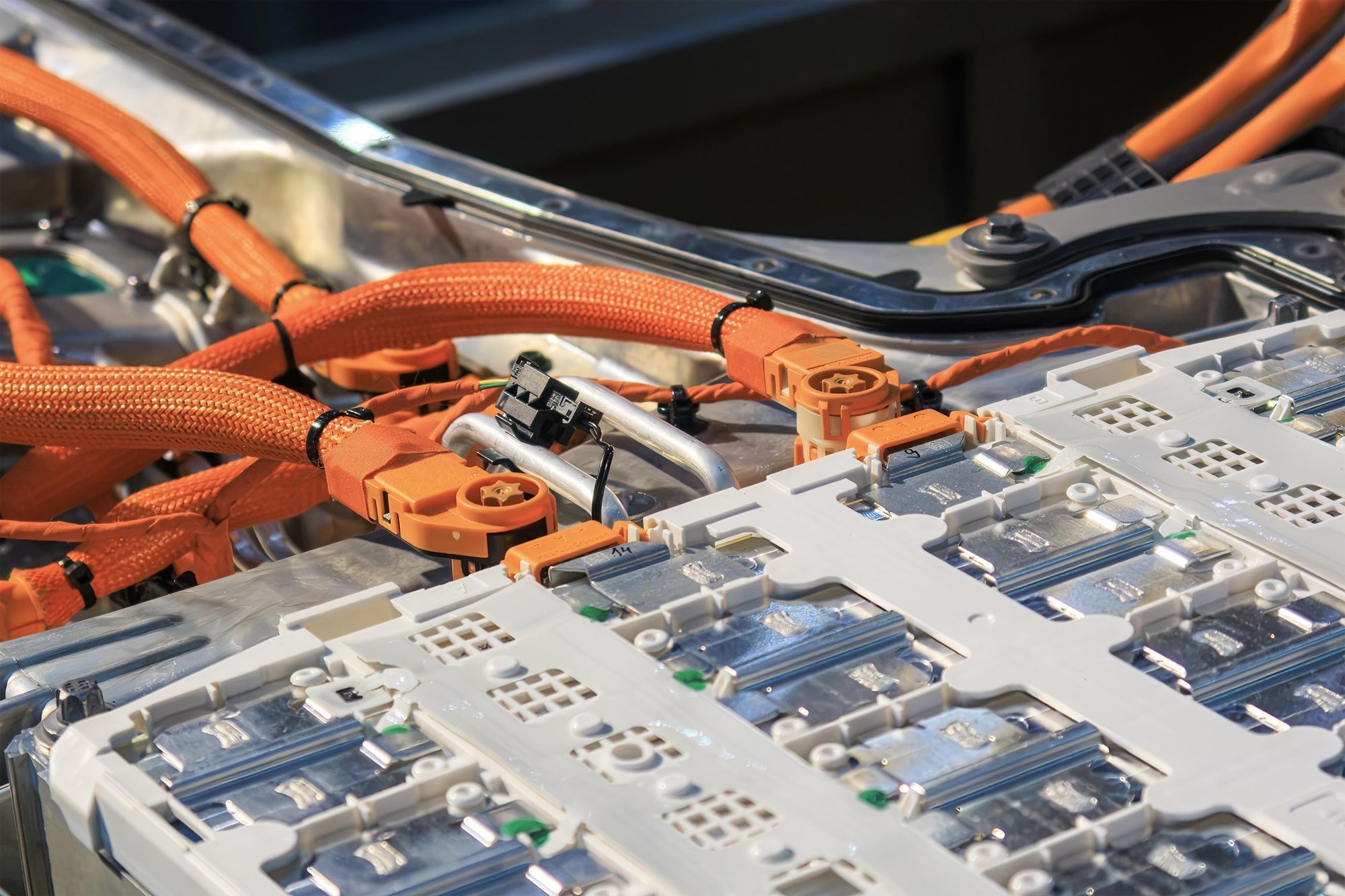

During the design phase of an ePTO battery system, the starting point is to look at the tasks and loads the equipment needs to be able to manage. Hydraulic pumps and other auxiliary functions can place substantial demands on a battery, especially when equipment is starting up or operating under heavy loads. Looking at how frequently and for how long those functions run can help establish the amount of energy the battery needs to supply.
The vehicle itself is also a consideration, as battery installations need to fit into the available space and be compatible with the electrical components and equipment they're there to power. There is also the working environment to consider, with challenges like vibration, dust, and high or low temperatures that can all influence the efficiency of a battery.
Organizations are welcome to contact Lithion Solutions to learn more about the potential ways to power electronics without reliance on vehicle engines, and how their applications will dictate the right energy storage and delivery specifications they might need.
Operators often consider ePTO systems because they can see the benefit of having auxiliary equipment powered directly by a battery without keeping a vehicle's diesel engine running. Equipment draws electricity from an onboard battery, while the engine can be switched off when the vehicle is stationary.
Yes, battery-powered ePTO systems can be developed for more intensive applications, although the power needed for a certain system might depend on periods of high demand and therefore influence the recommended battery, motor, and controls needed.
Depending on the system architecture, an inverter might also be used to convert the battery’s DC output into AC power for compatible equipment, although peak power demand, hydraulic workload, and the expected duty cycle all need to be considered.
It depends, because some applications might suit an established battery platform, but others will require a custom configuration based on the specific vehicle dimensions, operating demands, and electrical requirements.
For OEMs developing an electric chassis, ePTO integration also needs to be considered alongside the wider electrical architecture to ensure auxiliary functions and other systems work together effectively.
